4th Grade Program Overview
Class Name: Orca
Class Size: 16 Students (max)
Curriculum: The Orca curriculum occurs in an 60% Mandarin immersion environment. Students attend core curricular classes and specialty classes each week, and have two hours daily for meals and playtime. IFS students also participate in ongoing enrichment in Quaker values, social-emotional learning, music, visual art, STEAM and P.E..
Language Ratio Mandarin 60%, English 40%
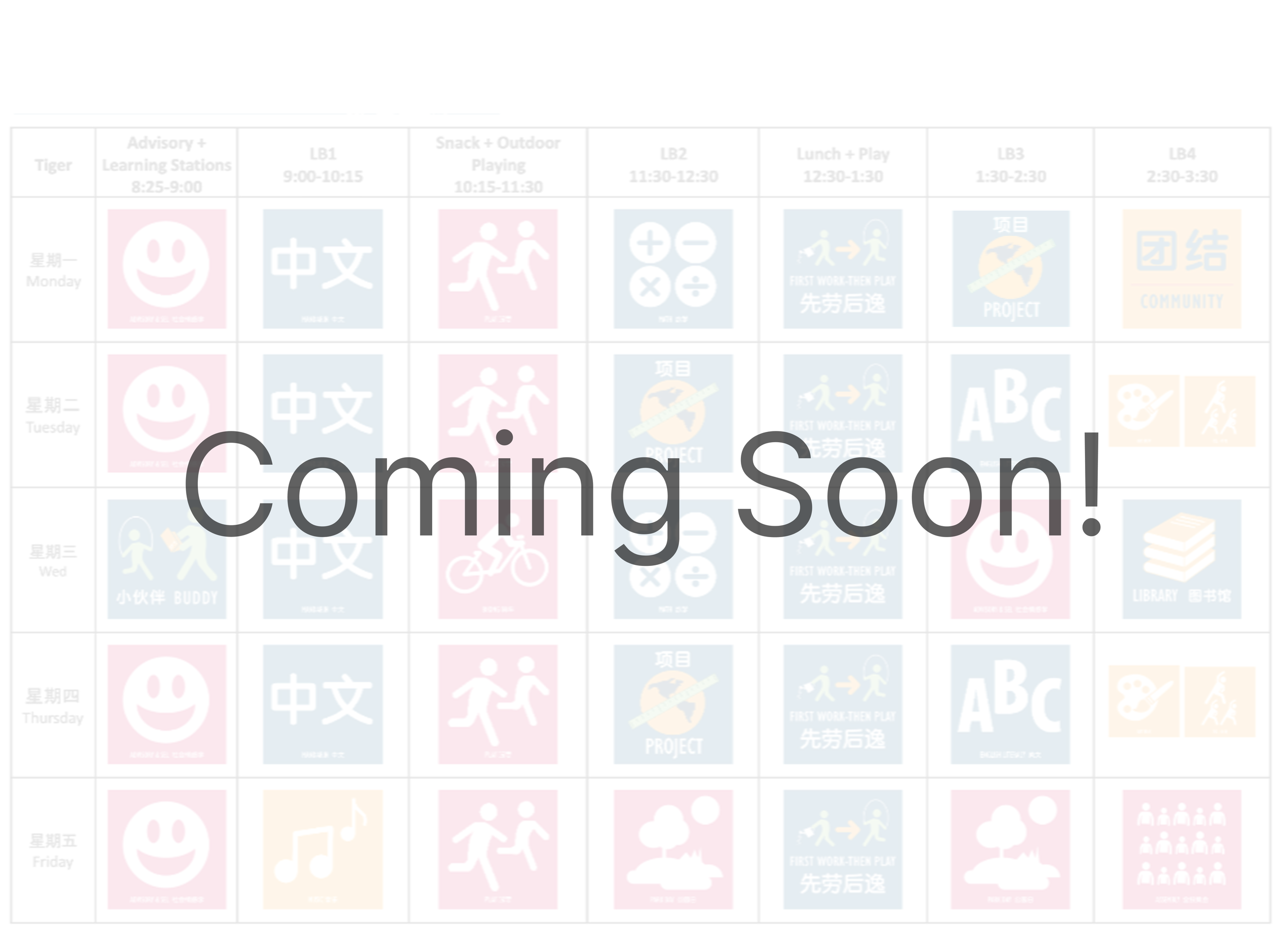
Sample Schedule
-
![]()
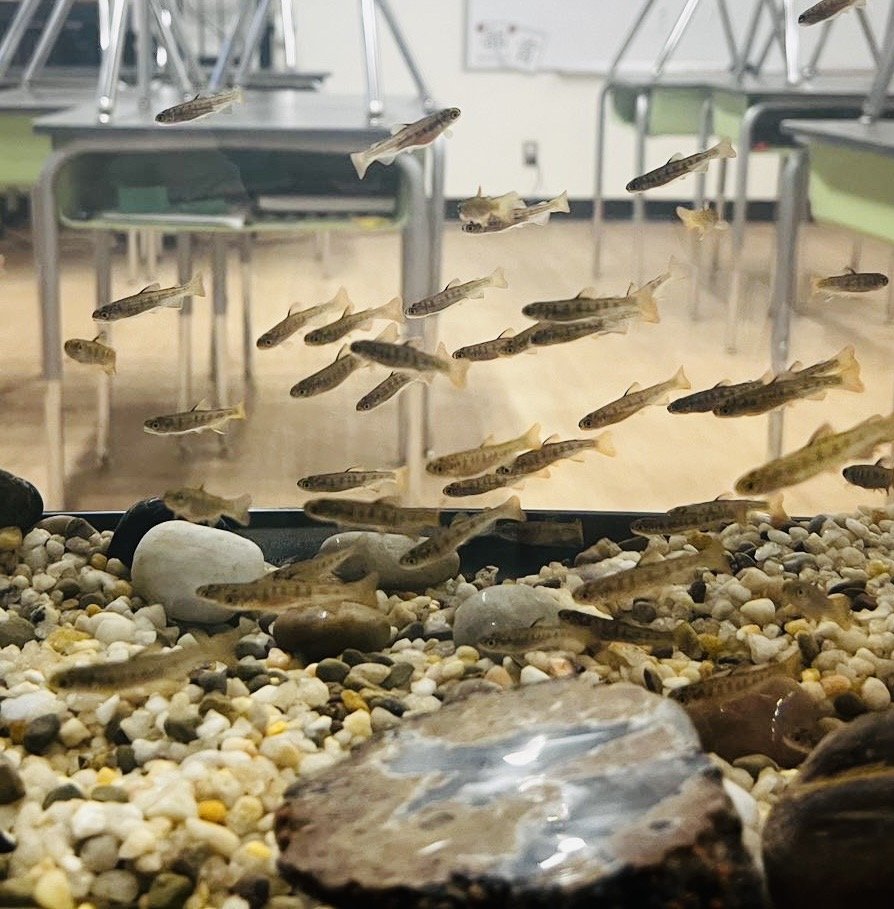
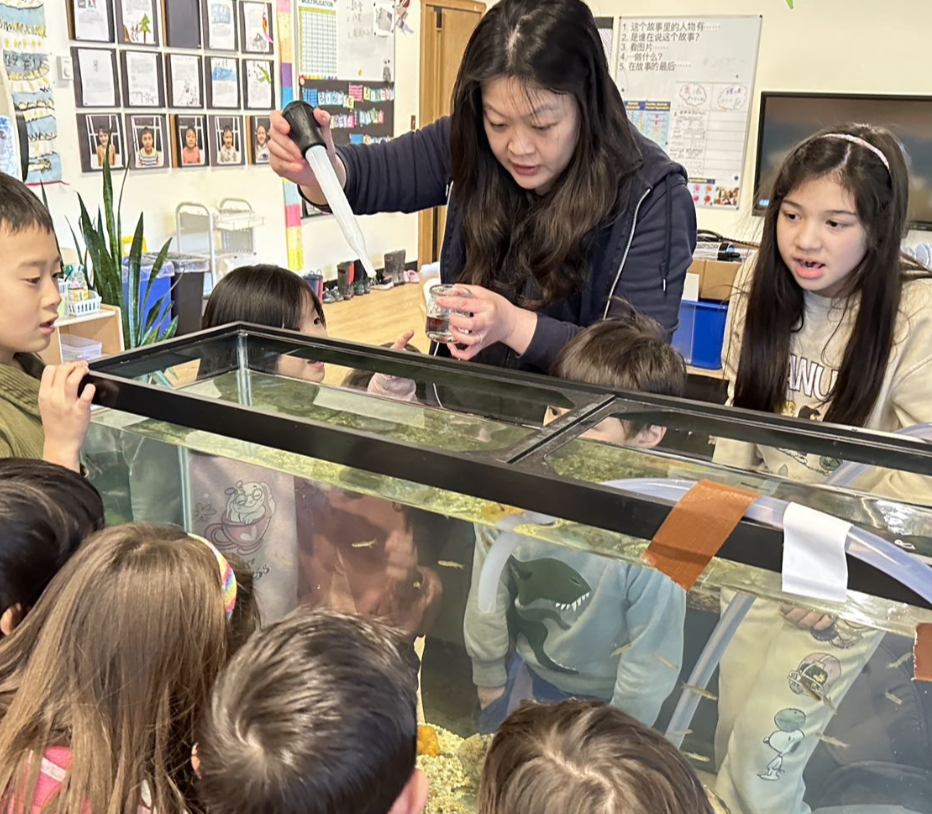
Watching the Salmon Grow
-
![]()
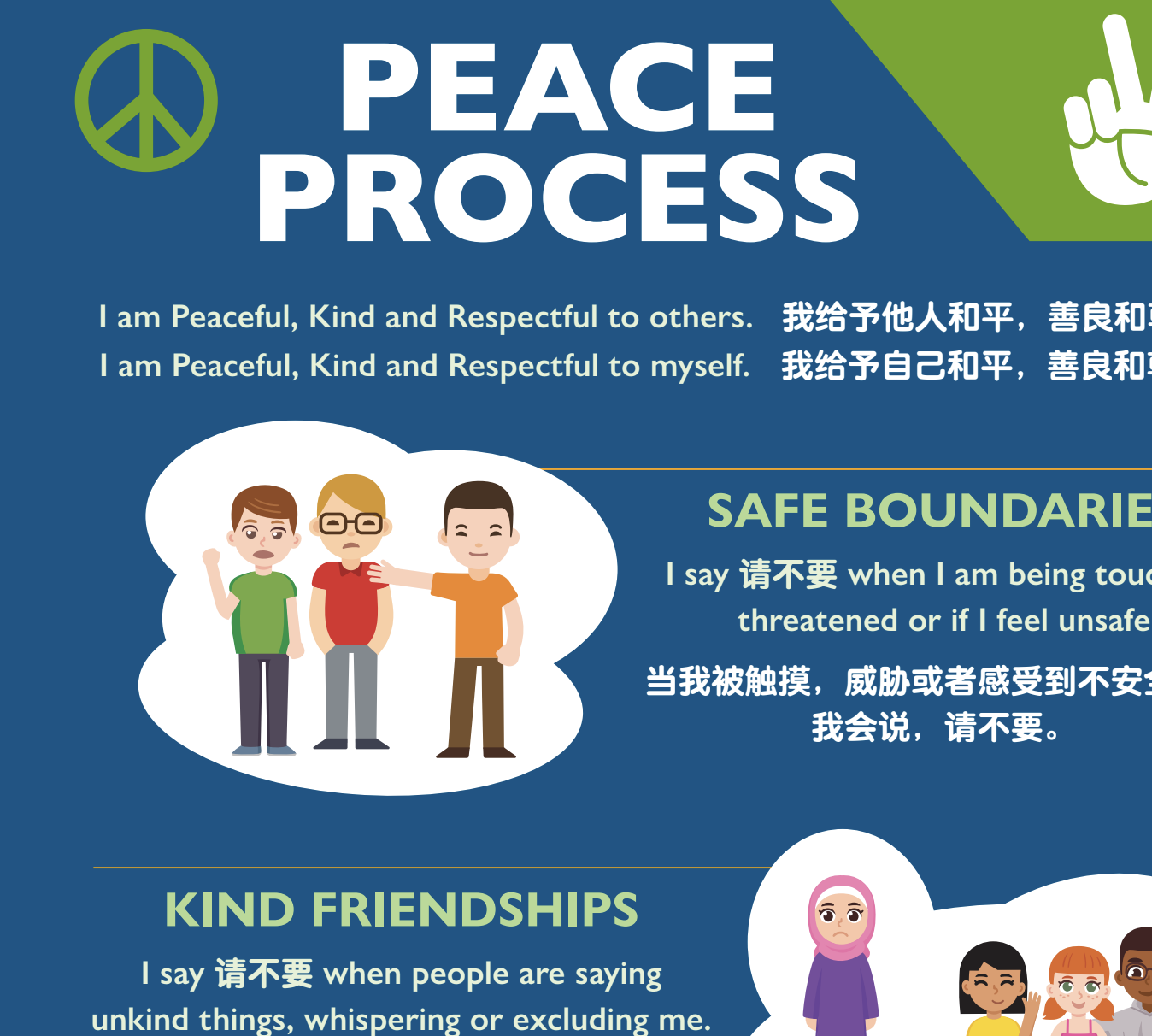
Managing our Feelings
-
![]()
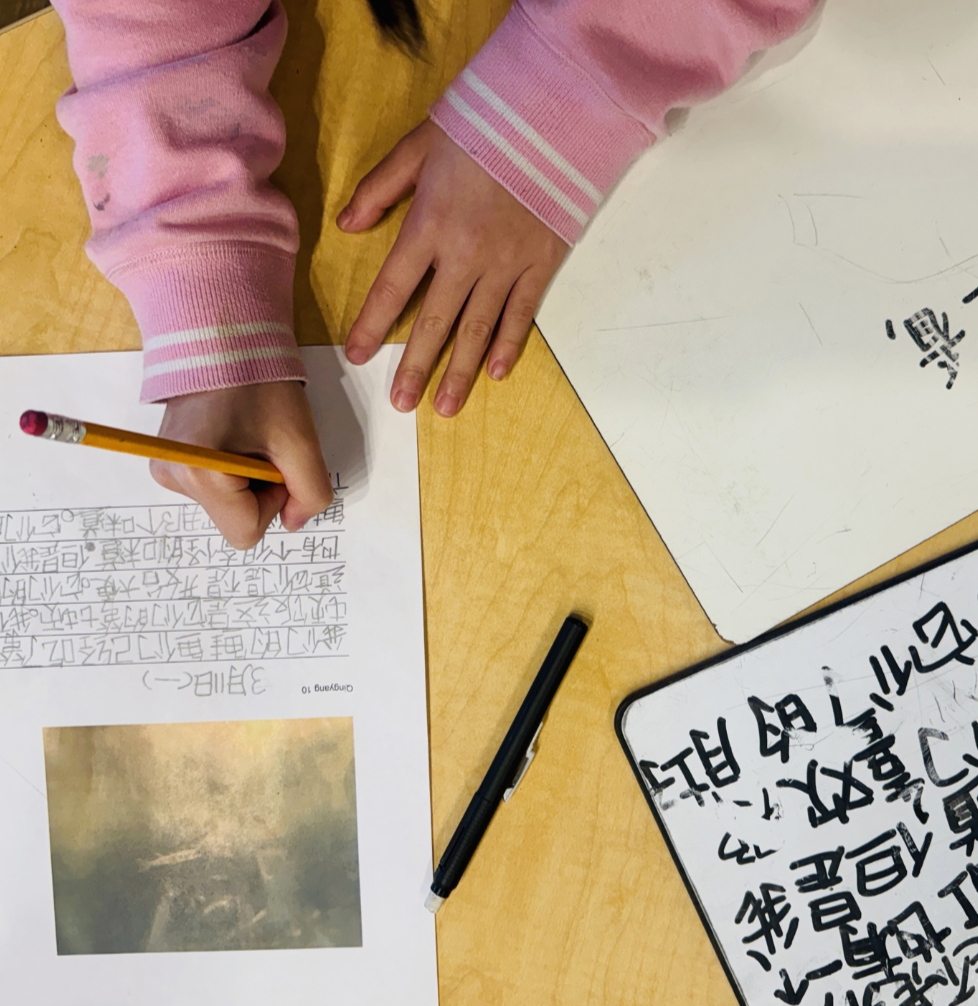
Practicing Calligraphy
-
![]()
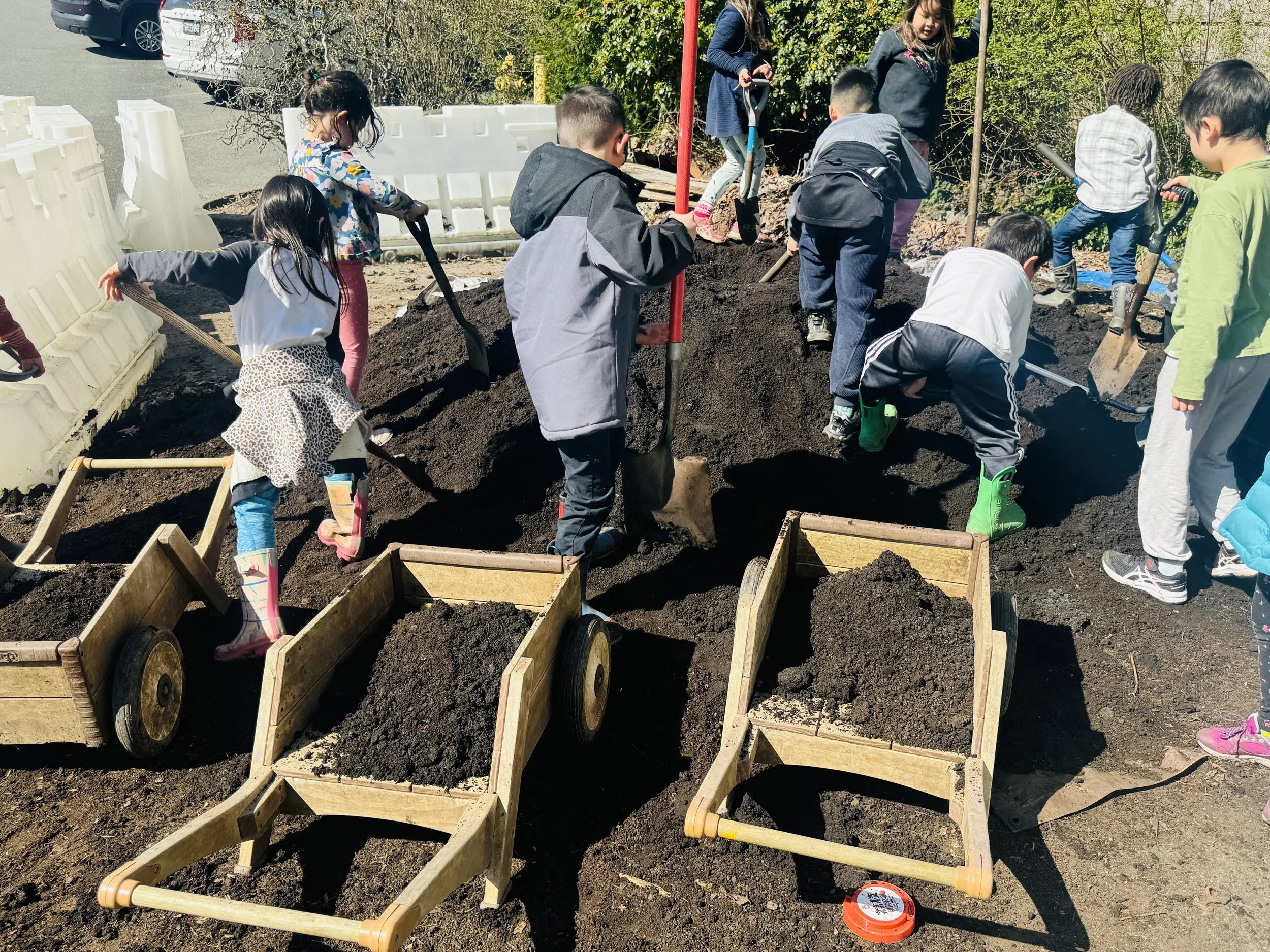
Ample Outdoor Play and Exploring
-
![]()
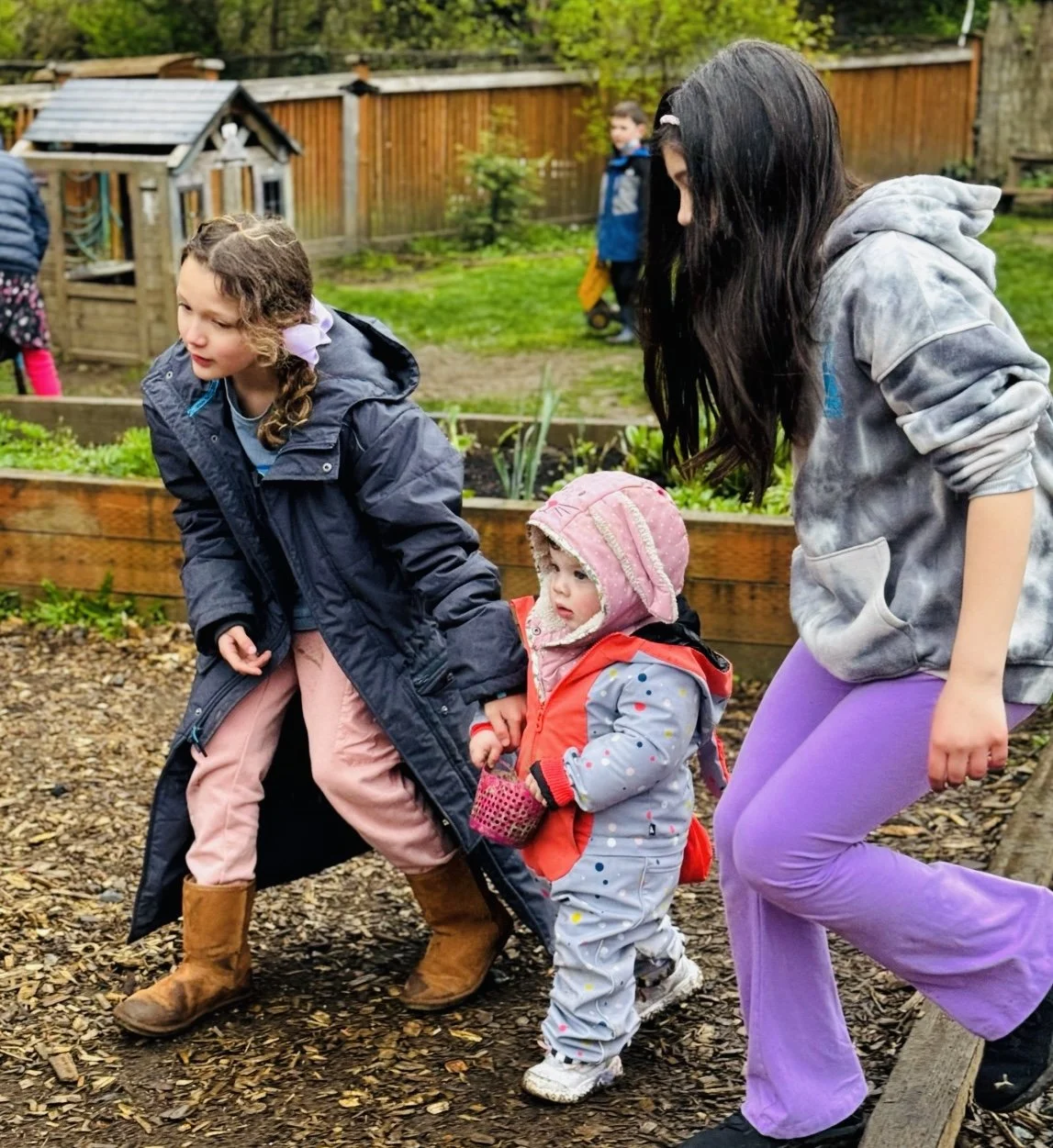
Caring for Younger Students
-
![]()
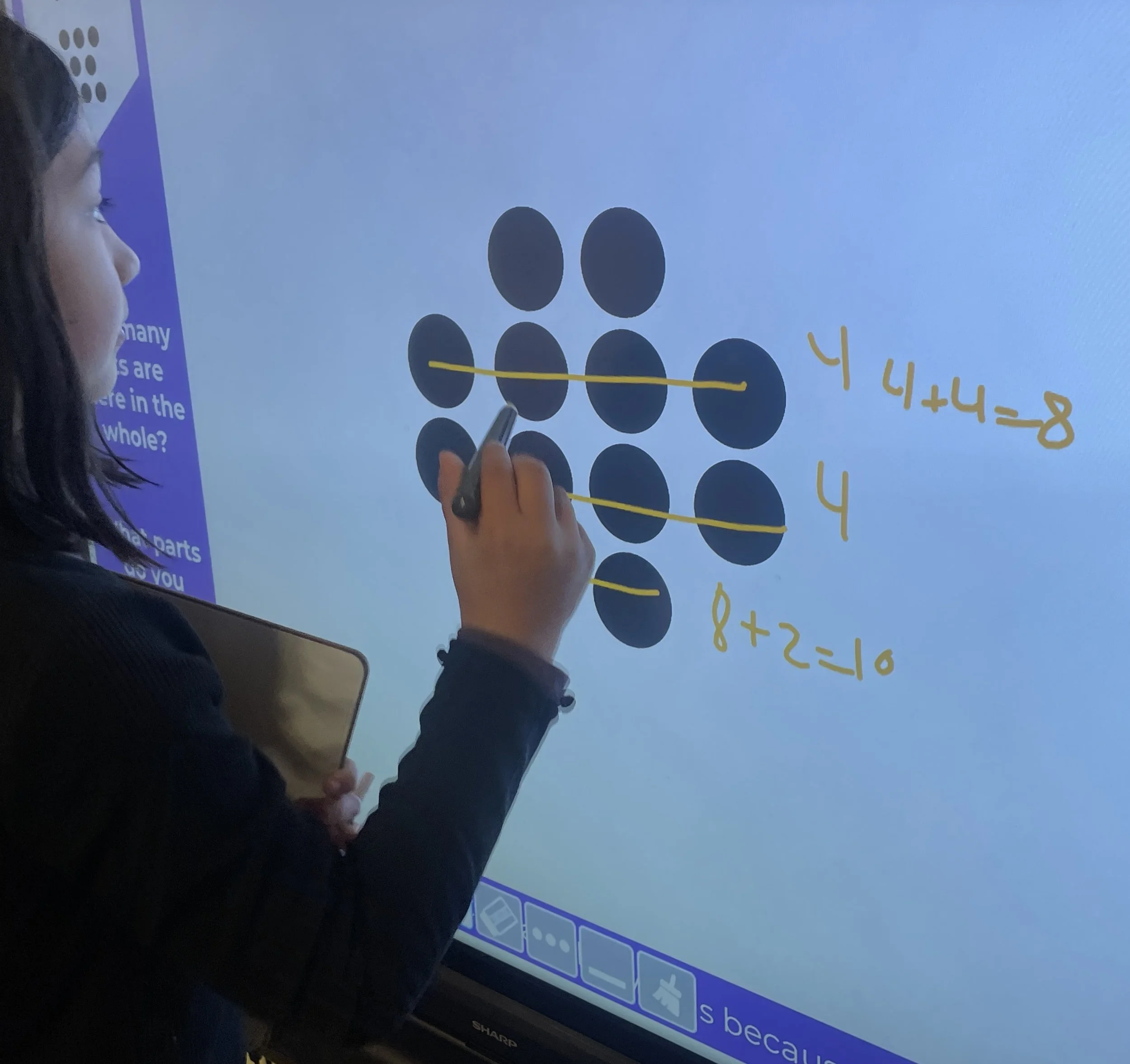
Visual Learning: Multiplication
-
![]()
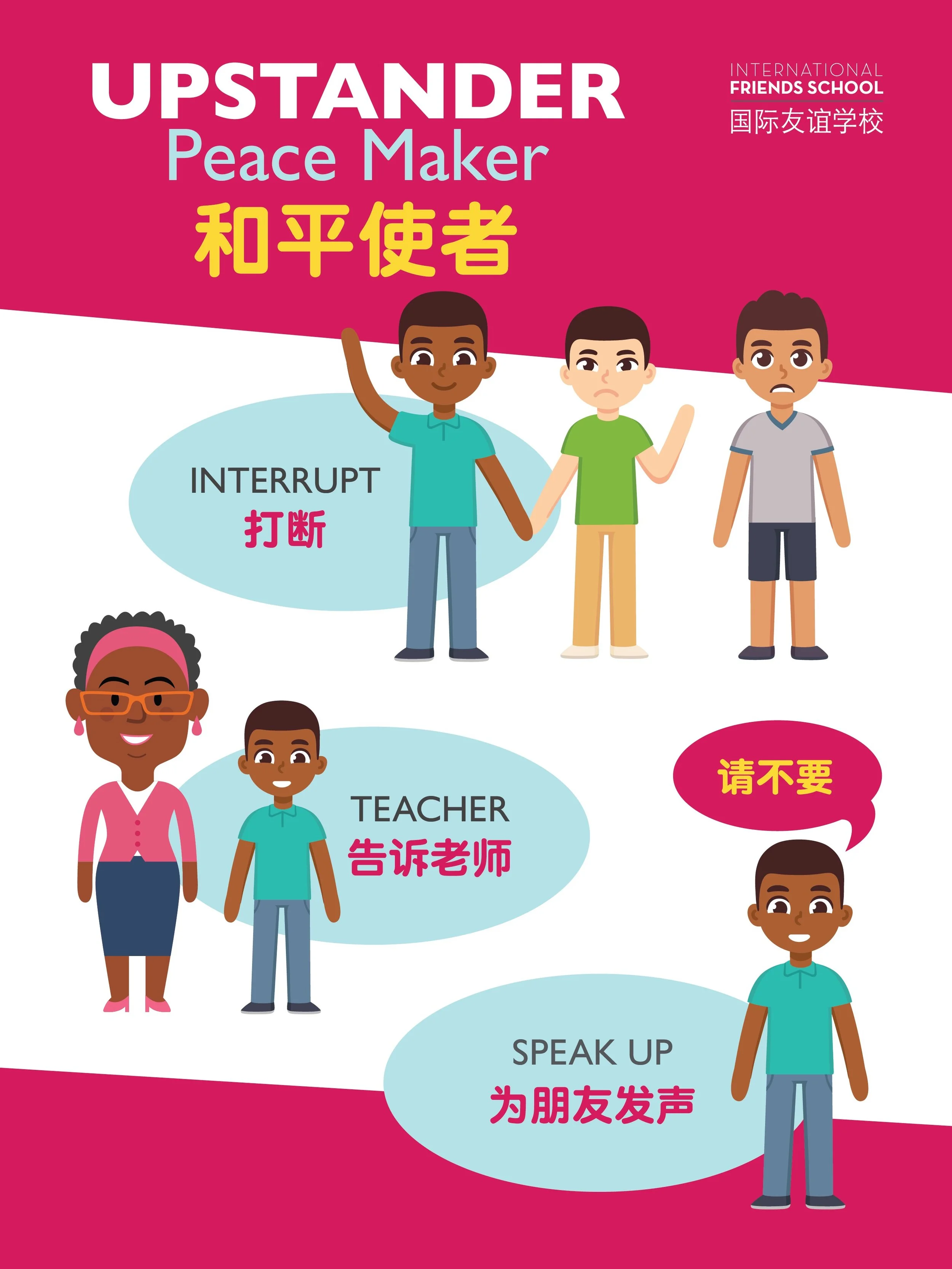
Learning Upstander Habits
-
![]()
Vietnam 2024 Global Village
-
![]()
Student Leaders Hold Annual Fair
-
![]()
Feeding Salmon Fries
-
![]()
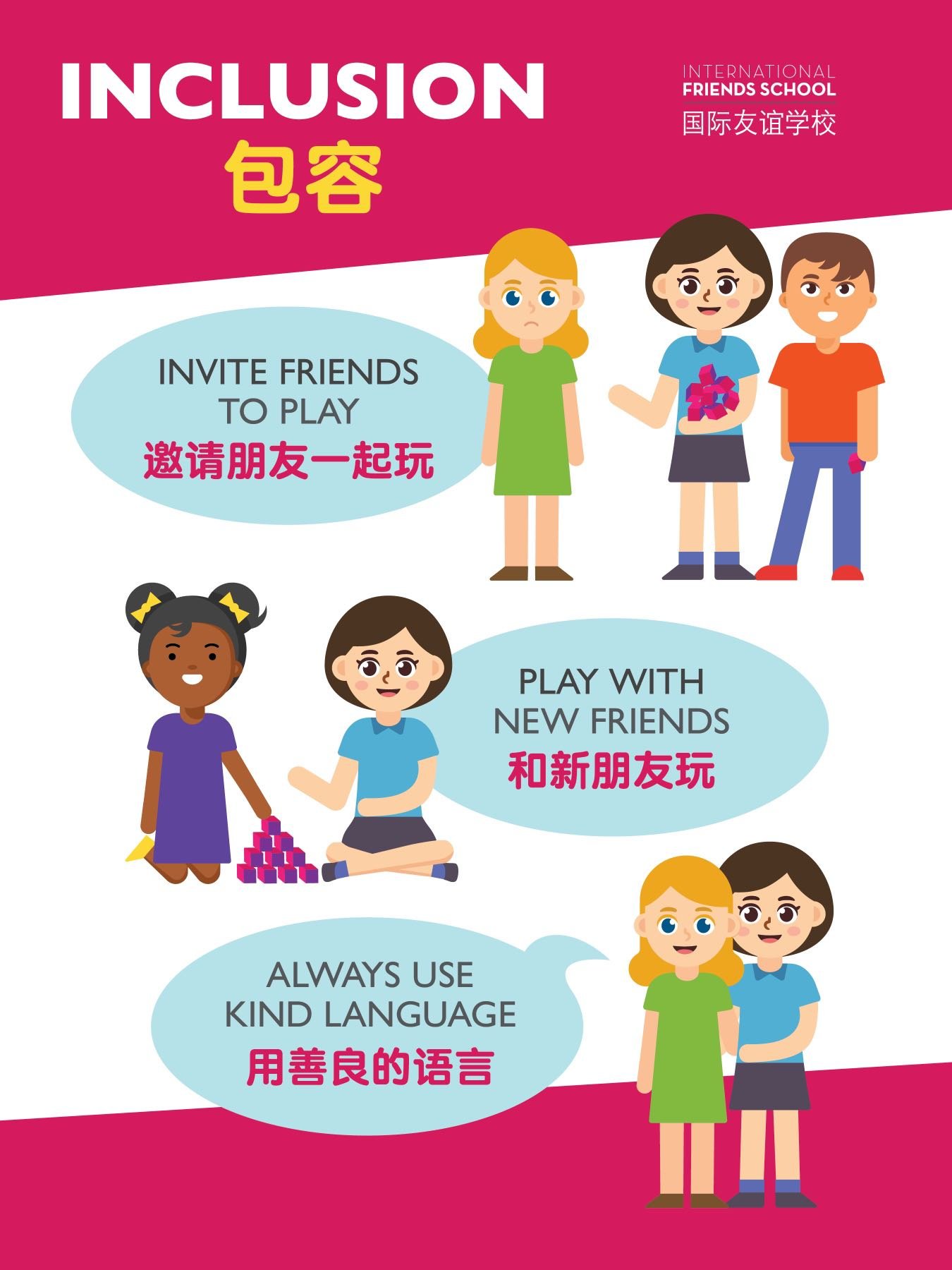
Students Play with Inclusivity
-
![]()
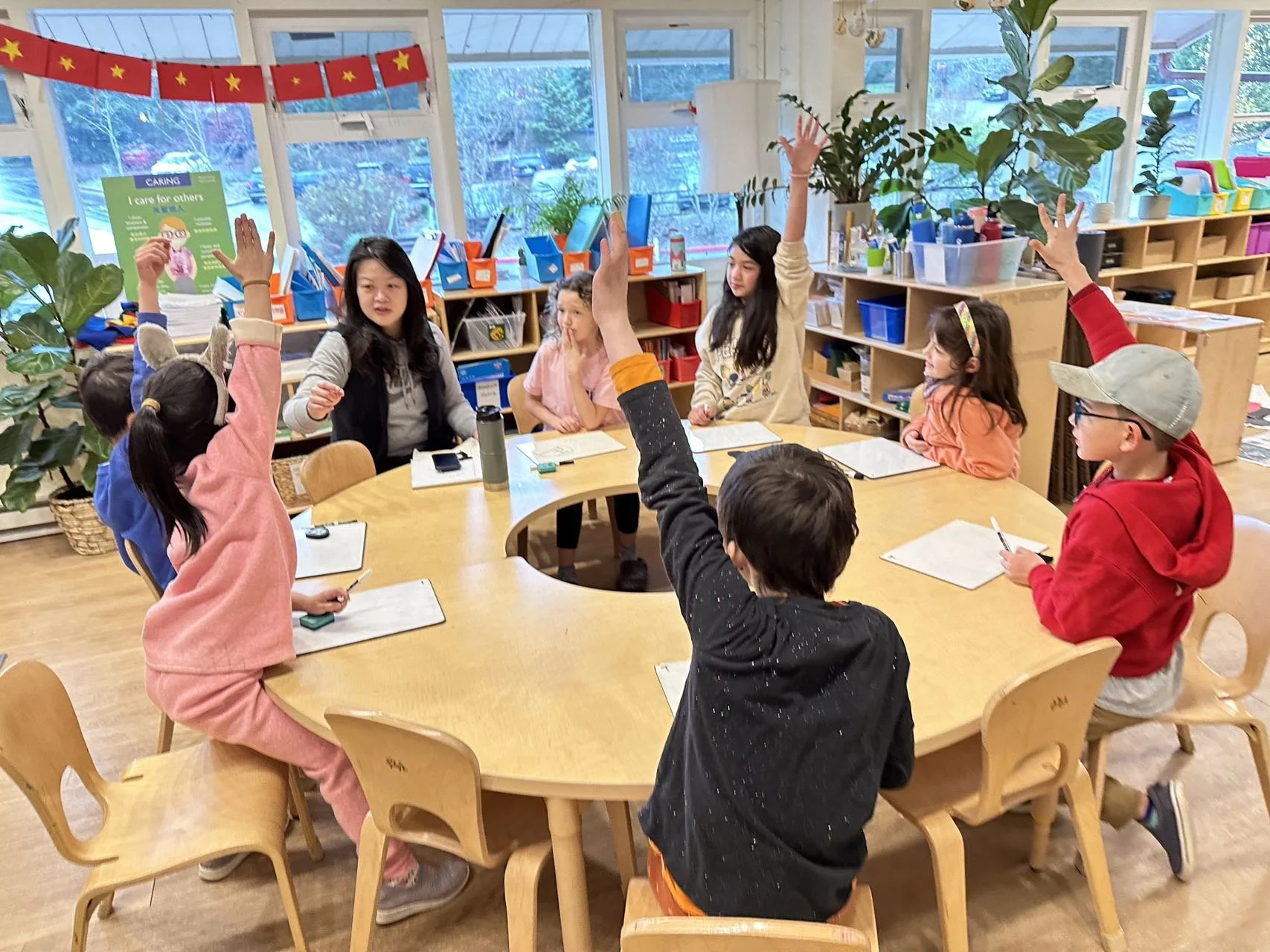
Small Group Learning
-
![]()
Independent Problem Solving
-
![]()
Working on Campus
-
![]()
Daily Journal Writing
-
![]()
Student Led Initiatives
-
![]()
Learning Quick Subitizing
-
![]()
Friendship Flourishes
-
![]()
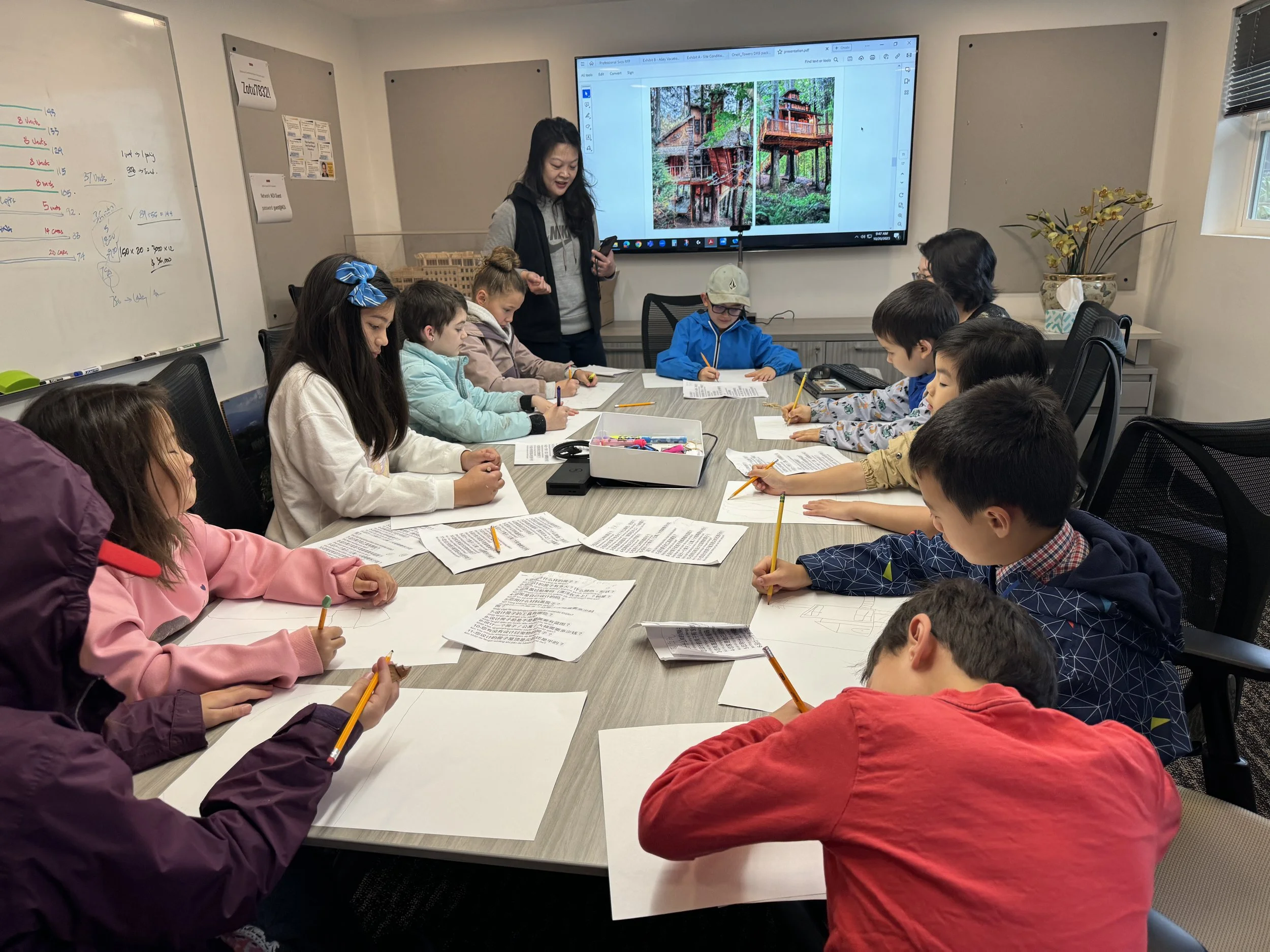
Field Trip to MZA Architectural Firm







4th Grade Learning at IFS
In 4th Grade, students thrive on collaboration and embrace 21st-century skills like creativity, communication, collaboration, and critical thinking. They excel in literacy in two languages and demonstrate resilience and skill in exceeding expectations.
Students are developing strong time management skills and independence, learning to type in Mandarin and using AI tools for content creation. They explore filmmaking through editing software as part of their projects.
Project-based learning includes early multiplication, time-telling, and exploring business concepts like profit and loss. Field trips across the Eastside and Seattle enhance their Mandarin research skills, culminating in an overnight camp in spring.
Projects integrate math and science skills directly, with students confidently presenting in two languages at trimester showcases. A strong foundation in Mandarin literacy is required for admission to the 4th Grade program.

-
In third grade, students have the opportunity to participate in two field trips that align with their project units.
In the fall students have two project-related field trips. In early October students visit the Issaquah Hatchery to learn about salmon from experts and to pick up the salmon eggs they will raise during the school year. In late October students visit a Chinese architect in Bellevue to learn about building costs and sustainable housing development.
In the spring students will participate in a field trip to a park with a water source feeding into Lake Washington where they will release their salmon, where they join the salmon population in the Pacific Northwest.
In addition to these field trips, third grade students participate in the overnight trip to the Olympic Peninsula and also take public transit to the Bellevue library for research work.
-
Curriculum Resources: world news, world maps, UN Sustainability Goals and Quaker testimonies
About: Student Clubs offers Kindergarten students the unique opportunity to work across K-4th grade on collaborative explorations and initiatives. Students also explore world geography, world news, and major festivals around the world.
Led by the Head of School, Student Clubs is a deep dive into testimonies with students developing their own plans using the “Backward Design, Execute Forward” model.
Highlights from Student Clubs:
Students explore one testimony per trimester. In winter of 2024, Student Clubs explored the Stewardship Testimony.
In mixed age groups, they found an environmental cause.
They created a budget, and a plan for creating items to sell at the Sustainability Fair.
They created their own products, such as postcards, or coasters based on their theme. They also designed in close collaboration their booths.
They figured out net proceeds after costs and expenses and donated the amount to a cause that helps their animal and its habitat.
Core Subjects

-
Curricular Materials: Level Learning, Better Immersion, and authentic materials
Standards:
ACTFL for communication
Common Core State Standards for Reading and Writing skills
Examples of Key Skills
write 310 words by hand, 900 by typing (students learn hanyu pinyin romanization and the QWERTY keyboard)
recognize 900 words
recognize and read frequently seen words and highly contextualized words and phrases from IFS third grade curriculum
write multiple-paragraph essays with topics that are familiar to a third grader’s life experiences with a topic sentence, supporting details, and concluding sentences using a structured model

-
Curricular Materials: Illustrative Math, Shuxue (China’s national curriculum)
Standards: Common Core State Standards
Examples of Key Skills
Students can:
use multiplication and division within 100 to solve word problems in situations involving equal groups, arrays, and measurement quantities
tell and write time to the nearest minute and measure time intervals in minutes
measure and estimate liquid volumes and masses of objects using standard units of grams (g), kilograms (kg), and liters (l)
partition shapes into parts with equal areas. Express the area of each part as a unit fraction of the whole

-
Standards: Next Generation Science Standards, Common Core State Standards, UN Sustainability Goals
About: Third grade students engage in a project each trimester. Projects focus on an inquiry from either the physical or social sciences and integrate learning standards from Chinese and math. The project cycle often incorporates scientific investigations and culminates with a capstone project that students share with their parents at the end of the trimester. For a closer look at project-based learning in third grade, please see the projects below.

-
Curricular Resources: Logic of English, EPIC!, the Writing Revolution
Standards: Common Core State Standards
Examples of Key Skills
Students can:
read grade-level prose and poetry orally with accuracy, appropriate rate, and expression
read grade-level text with purpose and understanding
produce simple, compound, and complex sentences
write proficiently in the genres of opinion, informative and narrative writing

-
Curricular Materials: Everyday Speech
Standards: Common Core State Standards
Examples of Key Skills
Students can:
practice stress-management with new strategies
understand the importance of listening in class to show respect and to help us learn
understand the positive impacts being a team player and working well with others has on their relationships and interactions
Specialty Subjects

-
First graders are more comfortable with their bodies and personal space when moving in different directions at different speeds. They are also developing the resiliency to lose at games but feel the spirit of teammanship for trying hard.
Demonstrate foot patterns in hopping, jumping, skipping, leaping, galloping, and sliding.
Demonstrate control in balancing and traveling activities.
Demonstrate ability to work with a partner - such as leading and following.
Motor skills require correct practice.
Describe, select, and discuss physical activities for enjoyment and challenge.
Participate in moderate to vigorous physical activities daily that increase heart rate, breathing rate and perspiration
Participate in flexibility exercises for shoulders, legs, trunk etc…
Lift and support own bodyweight. Ex: hanging, hopping, jumping and crab positions.
Active vs. Inactive lifestyles.
Importance of protective equipment – shoes, clothing, helmets, kneepads, etc.
Know starting and stopping signals.
Know the physical boundaries and rules of activities.
Follow directions and apply safe movement practices
Interact, cooperate and respect others.
Resolve conflict with your words and/or teacher's help

-
While revisiting what the primary colors are, first graders also learn about the life and artwork of Piet Mondrian, continue to learn about various lines (horizontal and vertical) and learn about geometric shapes while creating their artwork.
They become better at portraits and begin to explore using clay to create sculptures.

-
Curricular Materials: Commonsense Media Curriculum (digital literacy), SFUSD K-2 Computer Science Curriculum (Computer Science), typing programs
Standards: Common Core State Standards
Examples of Key Skills
Science
Students learn about environmental conservation and sustainability.
Technology
Students learn foundational skills using digital tools, including computers, tablets, and educational software.
Students learn basic coding concepts and engage with robotics kits to explore principles of engineering and automation.
Engineering
Students apply the engineering design process to solve real-world challenges.
Students engage in hands-on design and construction activities such as building structures, designing vehicles, or creating simple machines.
Arts
Math

-
Our overnight environmental science programs in Olympic National Park allow students to engage in inclusive, hands-on learning experiences in the foothills of the Pacific Northwest's majestic Olympic mountains. Students explore an old-growth forest, the Elwha River, and pristine Lake Crescent while challenging themselves physically, building meaningful relationships, and discovering a caring relationship with the natural world. We collaborate with each school or group to ensure their program experience meets their educational goals.
Parents are not invited. Third Graders are chaperoned by teachers and administrators, and it serves as a developmental milestone.

-
Standards: Common Core State Standards
Examples of Key Skills
Students can:
begin to understand basic concepts of melody, such as recognizing and singing simple melodies, understanding intervals, and identifying high and low pitches
express themselves creatively through music, whether improvisation, composition, or interpretation of musical pieces.
learn to read, write, and perform rhythms using quarter notes, eighth notes, and rests
learn about different styles of music from various cultures and historical periods, including folk music, classical music, and music from different regions of the world
Project Based Learning in Fourth Grade
Energy
Students at this grade level will continue developing their academic Mandarin skills while learning to type using Pinyin. Core projects will be taught entirely in Mandarin, providing students with opportunities to strengthen their language proficiency through immersive, content-based instruction.
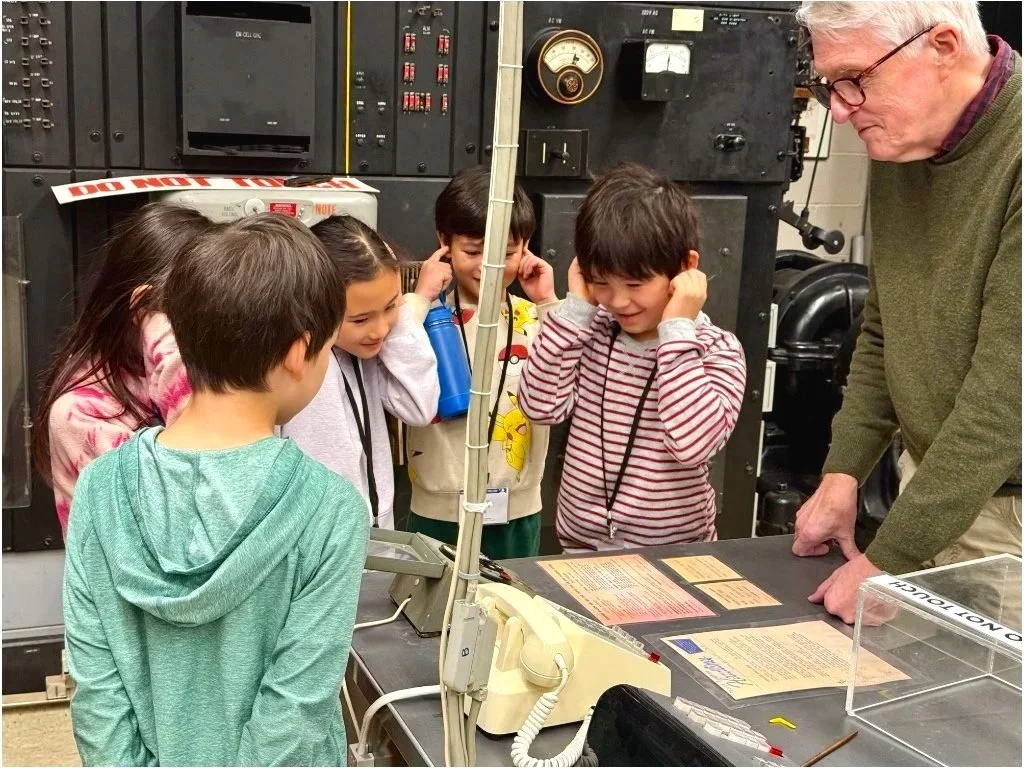
Their first unit of study will focus on energy, beginning with the design and construction of simple electrical circuits. Students will then integrate science, history, and mathematics to explore renewable energy sources and evaluate the financial and environmental costs of different forms of energy. They will also examine the history of the electric grid and explore how the expansion of electricity transformed labor, urban development, and society during the Second Industrial Revolution.
The unit will culminate in a final project in which students compile a short research portfolio and deliver a presentation highlighting practical, actionable ways that the average household can improve energy efficiency.
US History
Students will have the opportunity to interview community members in both English and Mandarin, as well as engage with guest speakers to deepen their understanding of significant historical events and periods. Through thoughtful inquiry and meaningful conversations, students will develop and ask relevant questions about topics such as World War II, the repeal of the Chinese Exclusion Act, and the history of desegregation in the U.S. education system.
Art
Students will have the opportunity to interview community members in both English and Mandarin, as well as engage with guest speakers to deepen their understanding of significant historical events and periods. Through thoughtful inquiry and meaningful conversations, students will develop and ask relevant questions about topics such as World War II, the repeal of the Chinese Exclusion Act, and the history of desegregation in the U.S. education system.
English
Fourth graders will continue to explore character development, point of view, and character voice through a variety of writing experiences, including descriptive writing, narrative writing, and creative storytelling. Students will also strengthen their ability to develop evidence-based reading responses and literary essays.
The overarching focus of English Language Arts this year will be on developing a deeper understanding of literature and moving beyond simply identifying what happened to exploring why it matters. Through close reading, thoughtful analysis, and written expression, students will examine literary themes, character motivations, and the ways in which voice and perspective shape a story.


Weather Patterns + Climate


Honey Bee Project

Animal Habitats


Place Value Man


PreK Students have Art + Maker Space everyday

Our unique beauty

Music everyday

SEL Units such as Empathy + Integrity

Positive Self Talk


Discussing problem solving


Global Village Celebration


Supporting Writers


Kesley Creek Farm